What is Call Forwarding? Complete Guide to How It Works (2026)
Learn what call forwarding is and how it works. Understand unconditional vs conditional forwarding, types, benefits, security tips, and how to set it up on any phone.
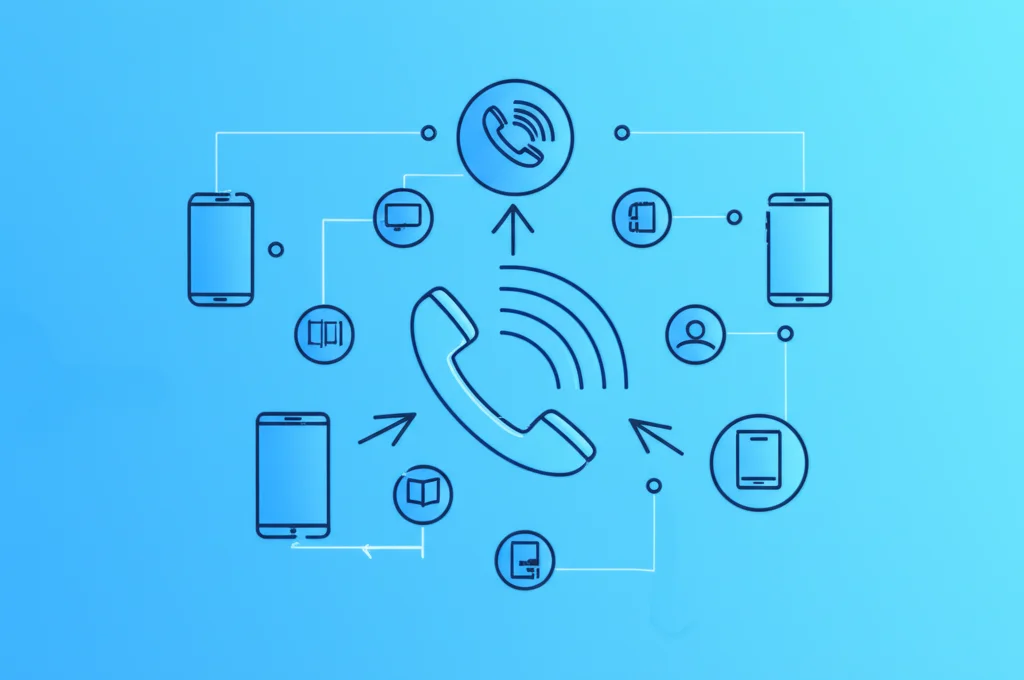
What is call forwarding? Call forwarding (also called call diversion) is a phone feature that automatically redirects incoming calls from one phone number to another. Whether you're traveling, working remotely, or simply want calls to ring on a different device, call forwarding ensures you never miss important calls.
Call Forwarding Definition
Call forwarding is a telephony feature that redirects incoming calls from your phone number to another destination (another phone, voicemail, or answering service) either automatically or based on specific conditions like when you don't answer, when you're on another call, or when your phone is off.
Table of Contents
How Does Call Forwarding Work?
When someone calls your phone number, the call first reaches your carrier's network. If call forwarding is active, the network automatically redirects (forwards) that call to the destination number you specified - before your phone ever rings.
The Call Forwarding Process
- 1Caller dials your number
Someone calls your phone number as normal
- 2Carrier checks forwarding rules
Your carrier's network detects that call forwarding is enabled
- 3Call is redirected
The call is automatically sent to your forwarding destination
- 4Destination phone rings
The forwarding number receives and can answer the call
Important: The caller usually doesn't know their call is being forwarded. To them, it appears as if they called your original number and you answered - even though you're answering on a completely different phone.
Types of Call Forwarding
There are two main categories of call forwarding: unconditional (all calls) and conditional (only in certain situations).
Unconditional Call Forwarding
All Calls Forward Immediately
With unconditional forwarding, every single call is redirected to your forwarding number immediately. Your original phone never rings at all.
- ✓ Best for: Vacations, extended time away, or when you've switched phones
- ✓ Your phone stays completely silent
- ✗ You can't screen calls - all are forwarded
Conditional Call Forwarding
Conditional forwarding only activates when specific conditions are met. Your phone rings first, and calls only forward if certain criteria are triggered.
Forward on No Answer
Your phone rings normally. If you don't answer within ~15-20 seconds, the call forwards.
Use: Backup for missed calls
Forward When Busy
Forwards calls when you're already on another call (line busy).
Use: Call overflow, busy lines
Forward When Unreachable
Forwards calls when your phone is off or has no signal.
Use: Never miss calls
| Type | When It Activates | Your Phone | Best For |
|---|---|---|---|
| Unconditional | All incoming calls | Never rings | Vacation, out of office |
| No Answer | After ~20 seconds | Rings first | Backup, voicemail alternative |
| Busy | On another call | Already in use | Business lines, call overflow |
| Unreachable | Phone off/no signal | Unavailable | Travel, dead battery backup |
Call Forwarding vs. Call Transfer
These two features sound similar but work very differently. Understanding the difference helps you choose the right tool for your needs.
Call Forwarding
- →Automatic - happens before you answer
- →Set up in advance via codes or settings
- →Caller doesn't know call was forwarded
- →No interaction needed - works while you're away
- →Use case: Vacation, remote work, backup number
Call Transfer
- →Manual - happens during an active call
- →Initiated while you're on the phone
- →Caller knows they're being transferred
- →Requires you to answer and then transfer
- →Use case: Customer service, routing to specialist
Simple Way to Remember
Call Forwarding = "Send my calls somewhere else while I'm unavailable" (automatic, proactive)
Call Transfer = "Let me hand off this current call to someone else" (manual, reactive)
When to Use Call Forwarding
Personal Use Cases
- Vacation/Travel: Forward calls to someone who can handle them or to voicemail
- Switching Phones: Forward calls from old phone to new phone temporarily
- International Travel: Forward to a local number to avoid roaming charges
- Work-Life Balance: Forward work calls to voicemail after hours
- Poor Signal Areas: Forward to a landline when at home with bad cell reception
Business Use Cases
- Remote Work: Forward office phone to mobile for work-from-home flexibility
- After-Hours Support: Route calls to on-call staff outside business hours
- Sales Teams: Forward leads to available representatives
- Multi-Location Business: Route calls between offices as needed
- Backup/Disaster Recovery: Ensure calls reach someone even during outages
- Virtual Offices: Create professional presence without physical location
Benefits of Call Forwarding
Never Miss Important Calls
Calls reach you even when you're away from your primary phone
Work From Anywhere
Stay connected whether you're at home, office, or traveling
Better Customer Experience
Callers reach a real person instead of going to voicemail
Cost Savings
Consolidate lines, eliminate equipment, reduce missed opportunities
Business Continuity
Calls automatically route during outages or emergencies
Professional Image
Maintain presence even without a physical office location
How to Set Up Call Forwarding
There are two main ways to set up call forwarding: using dial codes or through your phone's settings.
Method 1: Dial Codes (Fastest)
| Carrier | Forward All Calls | Turn Off |
|---|---|---|
| Verizon | *72 + number | *73 |
| AT&T | *21*number# | #21# |
| T-Mobile | **21*number# | ##21# |
| Universal (GSM) | **21*number# | ##002# |
Method 2: Phone Settings
iPhone
- 1. Open Settings
- 2. Tap Phone
- 3. Tap Call Forwarding
- 4. Toggle ON and enter number
Note: Not available on all carriers (e.g., Verizon iPhone)
Android
- 1. Open Phone app
- 2. Tap ⋮ Menu → Settings
- 3. Find Call Forwarding
- 4. Select type and enter number
Location varies by manufacturer (Samsung, Pixel, etc.)
Does Call Forwarding Cost Money?
The good news: Most carriers include call forwarding at no extra monthly charge on postpaid plans. However, there are some costs to be aware of:
| Carrier | Monthly Fee | Usage Notes |
|---|---|---|
| Verizon | Free | Forwarded calls use plan minutes; no international forwarding |
| AT&T | Free | Forwarded calls may use minutes; standard rates apply |
| T-Mobile | Free | No charge to forward within US; no international forwarding |
| Metro by T-Mobile | $1/month* | Fee may apply depending on plan |
Watch Out For: While the feature itself is usually free, forwarded calls may count against your plan's minutes (if you don't have unlimited). Long-distance charges may also apply if you forward to a non-local number.
Security Considerations
Call forwarding is a powerful feature, but it can also be exploited by scammers. Here's what you need to know to stay safe:
Call Forwarding Scams
Scammers may trick you into dialing codes like *72 or *401* followed by a phone number. This activates call forwarding to their number, allowing them to intercept your calls - including bank verification codes and two-factor authentication calls.
Warning Signs:
- • Unexpected caller asks you to dial *72 or *21* + a number
- • You suddenly stop receiving expected calls
- • Verification codes or OTPs never arrive
- • Unknown numbers appear in your forwarding settings
How to Protect Yourself
- ✓ Never dial codes given to you by unknown callers
- ✓ Regularly check your forwarding settings (dial
*#21#) - ✓ Use ##002# to immediately cancel all forwarding if suspicious
- ✓ Enable two-factor authentication using apps (not SMS) when possible
- ✓ Contact your carrier if you notice unusual call behavior
How to Check If Forwarding Is Active
Use these codes to check if call forwarding is currently enabled on your phone:
| Code | What It Checks |
|---|---|
| *#21# | Unconditional (all calls) forwarding status |
| *#61# | Forward when no answer status |
| *#62# | Forward when unreachable status |
| *#67# | Forward when busy status |
Dial any of these codes and press Call. You'll see a message showing whether forwarding is active and which number calls are being forwarded to.
Need a More Powerful Solution?
Get a virtual phone number that works on any device. Forward calls, manage voicemail, and keep your personal number private - all from one app.
Try BubblyPhone Free →Frequently Asked Questions
What is call forwarding used for?
Call forwarding is used to redirect incoming calls to another phone number. Common uses include: ensuring calls reach you while traveling, routing business calls to a mobile phone, providing backup when your primary phone is unavailable, and routing calls to different people based on time of day or availability.
Can the caller tell if their call is being forwarded?
No, callers typically cannot tell that their call has been forwarded. The call appears to connect normally to your original number. However, the caller ID shown on your forwarding phone will display the original caller's number (not your forwarded number).
Can I forward calls to an international number?
Most US carriers (Verizon, AT&T, T-Mobile) do not allow call forwarding to international numbers. You can only forward to US 10-digit phone numbers. For international forwarding, you would need to use a VoIP service like BubblyPhone instead.
Does call forwarding use my minutes?
Yes, forwarded calls typically count against your plan's minutes (if you don't have unlimited calling). The call uses minutes on your plan for the forwarded portion. If the forwarding destination is long-distance, additional charges may apply.
What's the difference between conditional and unconditional forwarding?
Unconditional forwarding sends ALL calls directly to another number without your phone ringing. Conditional forwarding only forwards calls when specific conditions are met: when you don't answer, when your line is busy, or when your phone is unreachable (off or no signal). Conditional forwarding lets your phone ring first.
Are text messages forwarded too?
No, call forwarding only affects voice calls. Text messages (SMS/MMS) and iMessages are notforwarded - they will still go to your original phone. To forward texts, you would need a separate text forwarding service or app.
Related Resources
How to Set Up Call Forwarding
Step-by-step guide for all phones and carriers
Call Forwarding Codes
Complete list of codes for all carriers
Call Forwarding on iPhone
iPhone-specific setup guide
Call Forwarding on Android
Samsung, Pixel, OnePlus setup guide
Stop Call Forwarding
How to disable forwarding on all carriers
Conditional Call Forwarding
Forward only when busy, no answer, or unreachable
Samsung Galaxy Call Forwarding
Complete guide for Galaxy S25, S24, A series