How to Get Number for Your Business or International Calls

Table of Contents
- A number is an operating asset
- Dedicated versus disposable access
- 1. Confirm the market and number type
- 2. Prepare your documents
- 3. Complete verification
- 4. Activate and configure
- Why the rules differ
- Prepare before you apply
- When the market is restricted
- Compare the operating models
- Match features to the use case
- Understand minute billing
- Configure the voice path
- Treat SMS as a separate capability
- Use a short first-call checklist
You need a number that people can call, not just a string of digits that passes a signup form. To get one for business, travel, family, or international calls, choose the right country and number type, complete any required identity checks, activate inbound settings, and test the line before you depend on it.
Why You Need a Dedicated Number and What It Actually Does
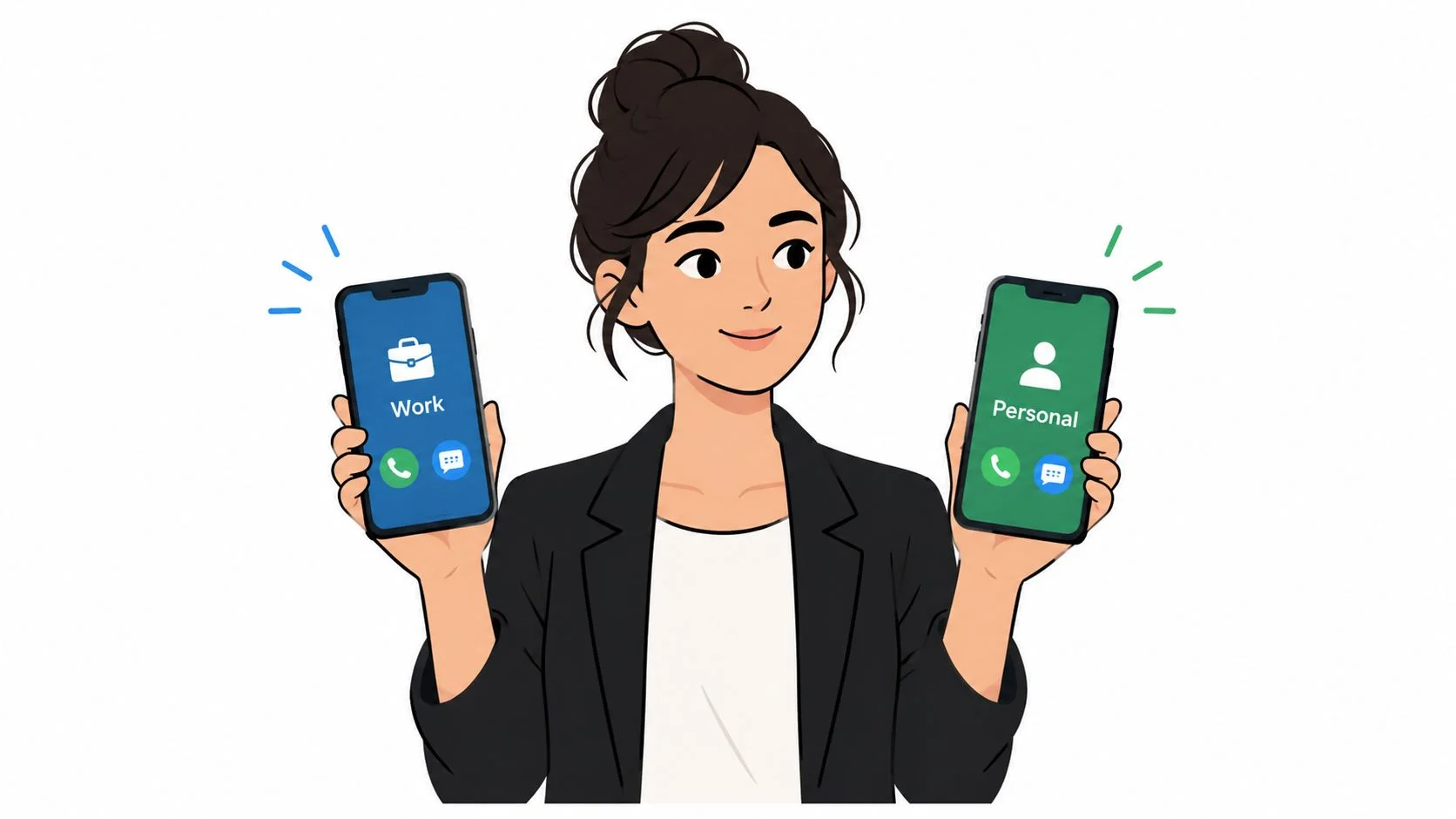
A remote worker living abroad may want local clients to call without exposing a personal mobile number. An expat may need a stable line for family, banking contacts, or landlords while moving between countries. A small business may need separate identities for sales and support without carrying another physical SIM. In each case, the practical answer to how to get number is usually a dedicated virtual number, not a disposable caller ID or temporary verification line.
A dedicated number gives you a persistent phone identity linked to a calling service rather than a second handset. Depending on the market and plan, it can support inbound calls, voicemail, forwarding, and receiving SMS. Availability varies by country, so treat every feature as something to verify before purchase rather than an automatic entitlement.

A number is an operating asset
International calling remains a relatively small part of total voice use. A widely cited analysis summarized in international calling market research found that international calls represented about 3% to 4% of annual phone minutes, while calling patterns were concentrated along migration and business corridors. The same analysis reported that advanced economies placed about 41% of international calls to emerging economies, compared with 9% in the opposite direction, and that computer-to-computer services represented about one quarter of international calling minutes in 2012.
Those figures explain why number access matters even when international calling isn't the majority of voice use. A separate identity for a family, supplier, or customer contact keeps personal and professional conversations apart and gives callers a predictable destination.
Dedicated versus disposable access
A temporary number may help with a one-off sign-up, but it usually isn't suitable for ongoing conversations. You can lose access, miss inbound calls, or find that a recipient distrusts an unfamiliar caller ID. A dedicated number works better when people need to reach you repeatedly, especially across time zones.
The trade-off is administration. You may need to provide documents, follow local restrictions, and pay for an optional number plan. That small amount of friction is often preferable to rebuilding your contact details every time a temporary number disappears.
The Four-Step Process for Getting a Number
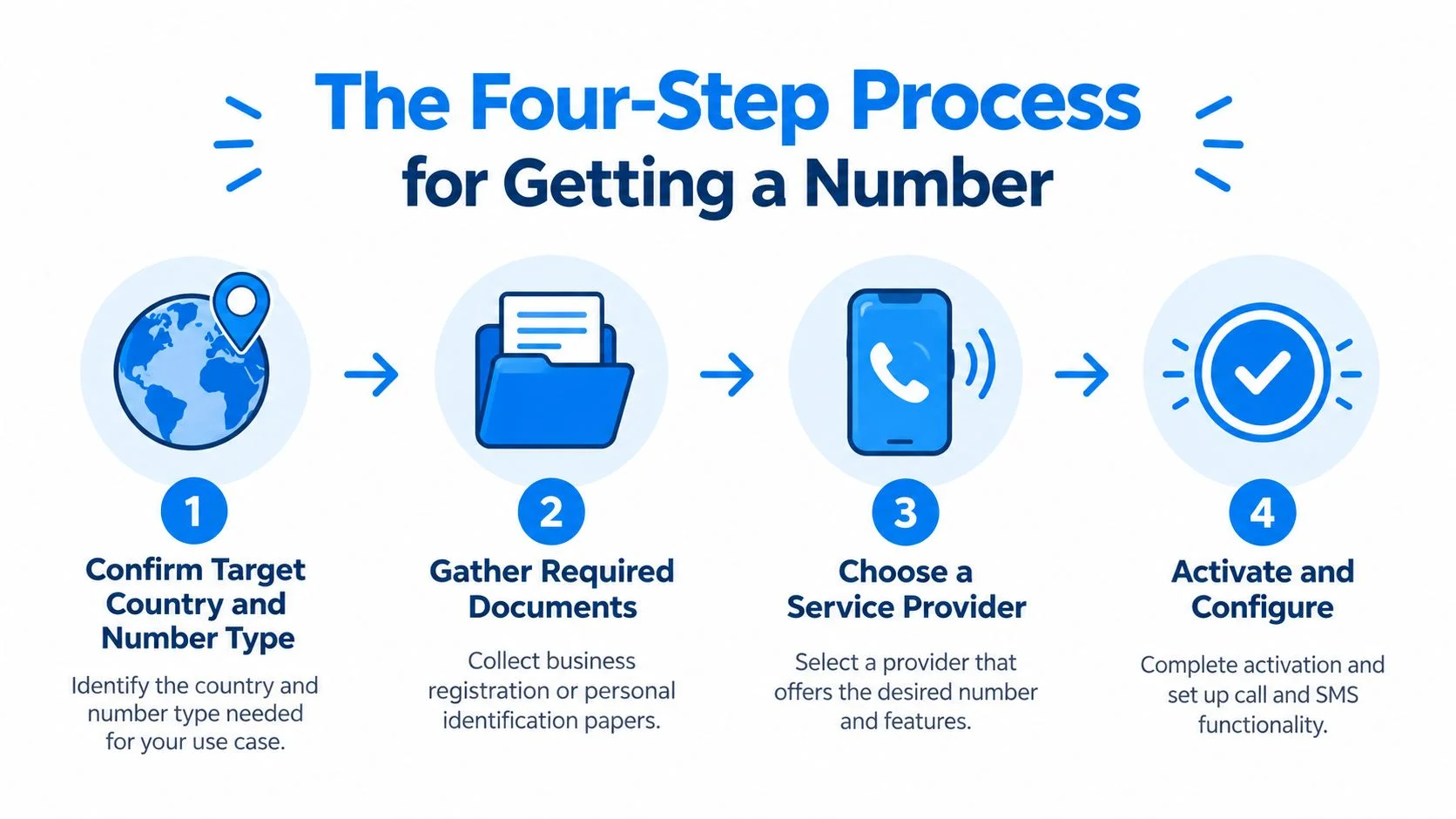
To get a working number, follow four stages in order: confirm the country and number type, prepare documents, complete verification, then activate and configure the line. Skipping the first two steps is the fastest way to choose a number you can't legally or operationally use.

1. Confirm the market and number type
Start with the country where callers expect to reach you, then decide whether you need a geographic, mobile, toll-free, or other supported type. A local-looking number may require a local address or business presence, while a national or toll-free option may follow different rules. Don't buy based only on the area code. Confirm whether the number accepts inbound calls, supports receiving SMS, and permits forwarding.
For a U.S. number, review the guide to getting a U.S. number before selecting an area code. That check helps you avoid choosing a number that looks right but lacks the feature or eligibility you need.
2. Prepare your documents
Gather the likely KYC material before beginning the application. Depending on the market, this can include a passport or national ID, proof of address, business registration, and evidence that your intended use is legitimate. Make sure names and addresses match across documents. Blurry scans, expired identification, and inconsistent business details commonly delay approval.
3. Complete verification
Submit the requested information through the approved workflow and answer questions about local use. Some markets permit remote activation, while others require stronger proof of presence or restrict non-residents. Verification isn't a technical failure when a request is rejected. It usually means the selected number type doesn't match the applicant's eligibility.
4. Activate and configure
After approval, claim the number and configure the functions you need. Set a forwarding destination if calls must reach another device, record a voicemail greeting, and enable receiving SMS only where the market supports it. Then call the number from an unrelated mobile and test outbound calling separately.
Practical rule: Don't publish a new number until you've tested inbound calls, voicemail, caller ID, and any supported SMS workflow.
Understanding Verification Requirements by Country
An expat may find a country code that appears available, submit an application, and still receive a rejection because the number range requires local eligibility. A remote team can face the same result when its chosen number type is limited to residents or registered businesses. Technical availability and legal eligibility aren't the same thing.
Why the rules differ
Phone numbers belong to national numbering systems. Regulators and operators decide how specific ranges are issued, who may use them, and which services can activate them. Requirements can include identity documents, a local address, business registration, or proof of an approved local connection. A service may display a country code technically while remaining unable to provision that number to a non-resident.
Guidance on the legality of virtual phone numbers explains why local presence and identity checks can affect activation. Apply the four-stage process from the previous section against the target country's specific rules, rather than assuming the same documents or number types work everywhere.
Prepare before you apply
Create a document folder with current identification, proof of address, and business records where relevant. Check that the applicant name, company name, and address match across every file. For a business number, decide who owns the account and who has authority to submit documents. A valid request can still stall when the applicant cannot prove that authority.
Read the requirements for the exact number type. A geographic number may have different conditions from a mobile number, and receiving SMS may be unavailable even when voice calls are supported. Confirm these details before paying for a plan or designing a verification workflow around the number.
When the market is restricted
Do not bypass residency or registration rules with borrowed documents. Ask whether another number type is available, whether a national option fits the intended use, or whether a locally registered partner can provision the line legitimately. Each option changes who can receive calls, complete verification, and manage the account.
If none applies, choose a market where the applicant is eligible and tell callers how to reach the team. Portability is not guaranteed. A number that works for an expat in one country may be blocked for a remote team elsewhere because country-level eligibility, documentation, and use restrictions govern activation. Check those conditions before treating a number as ready for customers, family members, or staff.
Choosing the Right Plan and Number Type
Choose a dedicated number when people need to reach you repeatedly, and choose pay-as-you-go calling when you mainly place occasional outbound calls. The right decision depends on whether your priority is a stable inbound identity or flexible calling without an ongoing number commitment.
Compare the operating models
A dedicated number plan can include monthly calling credit and support inbound calls, forwarding, voicemail, and receiving SMS, depending on the selected market. Calling itself doesn't require a subscription. The recurring product is the optional dedicated-number plan, while outbound usage is charged per minute from prepaid credits.
Match features to the use case
A supplier-facing line needs reliable inbound calls and a voicemail greeting. A traveler may need a stable number for accommodation or local contacts but only occasional outbound calls. A family member calling abroad may need browser-based outbound access without asking relatives to install anything. Developers may need programmatic number search and purchase rather than a manual checkout.
Before choosing, answer three questions:
- Who must reach you? If the answer includes customers, relatives, or colleagues, prioritize inbound support.
- Which channels matter? Voice may be enough, while receiving SMS can help with inbound notifications where permitted.
- How often will you call? Occasional callers can use pay-as-you-go credits, while frequent callers may value the credit included with a dedicated plan.
For a deeper explanation of renting versus owning access, see this guide to phone number rental. Whatever you choose, check the live country and number-type terms before committing. Number availability and features can change by market.
Understand minute billing
International calls are commonly billed in whole-minute increments. A call lasting 1 minute and 1 second is charged as 2 minutes, while a 45-second call is charged as 1 minute, as explained in international call plan billing guidance. Tariff language follows the same approach, measuring calls in one-minute increments and rounding partial minutes up, as shown in official tariff documentation.
Review the live rate table before dialing because international charges are country-specific and normally presented per minute, as reflected in international retail rate documentation. Don't estimate a destination's cost from another country or assume every number type has the same price.
Enabling Inbound Calls and SMS on Your Number
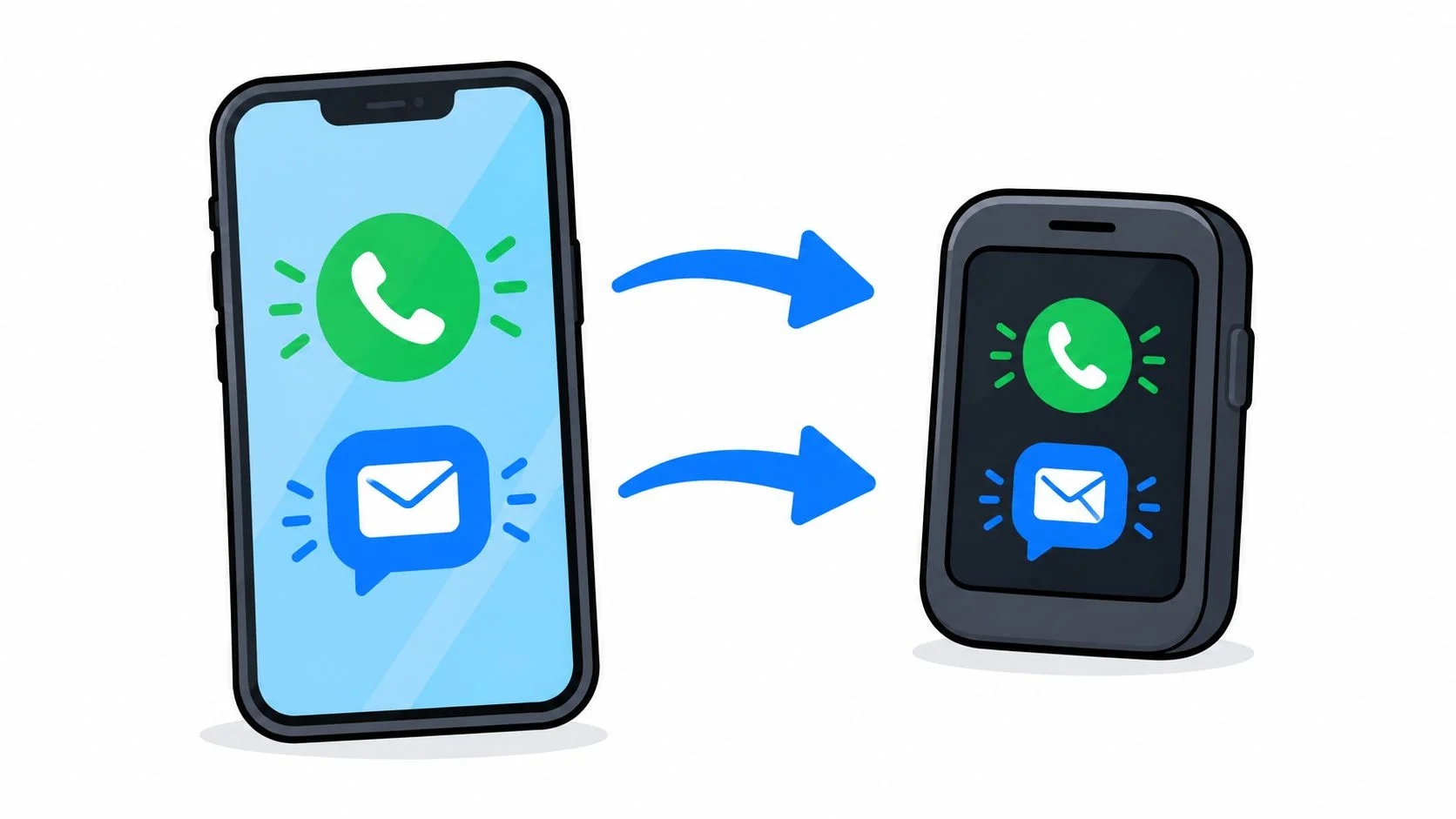
An active number isn't ready until you test how people will reach it. Enable inbound calling, choose forwarding or voicemail, verify receiving SMS where supported, and place test calls from outside your account.

Configure the voice path
First, decide whether calls should ring in a browser, forward to another number, or go to voicemail. Forwarding is useful when a remote employee needs calls on a regular mobile, but it can add another billing path and make troubleshooting harder. Browser answering keeps the workflow centralized, while voicemail protects you from missed calls outside working hours.
Record a greeting that identifies the person or business without revealing unnecessary personal details. Then test the number from an unrelated mobile network. Check that the call arrives, that the caller hears the correct greeting when you don't answer, and that forwarding doesn't create a loop.
Treat SMS as a separate capability
Dedicated-number SMS is receive-only. Don't promise customers or relatives that they can text back and forth until you've confirmed that the specific number and market support the required workflow. For broader operational advice on using messaging responsibly in a company setting, consult this practical guide to business SMS.
Use the virtual number checker to inspect number details before relying on them. A message may arrive successfully while voice forwarding behaves differently, so test each channel independently.
A simple acceptance test should include:
- Inbound voice: Call from an outside mobile and confirm the configured destination rings.
- Voicemail: Miss the call deliberately and check that the greeting and message recording work.
- Receiving SMS: Send a test message where inbound SMS is supported and confirm delivery.
- Caller experience: Ask a trusted person whether the number appears clearly and whether the connection is understandable.
This video can help visualize the setup and testing flow:
Don't wait for the first real customer or family emergency to discover that a number was activated for voice only.
Activating Your Plan and Making Your First Call
Once the number and inbound settings work, add prepaid credits and place an outbound call from the browser or supported dialer. Calling uses no subscription, credits start at $5, and credits never expire.
Use a short first-call checklist
- Check the destination: Confirm the country code and enter the number in the correct international format.
- Review the live rate: Use the published rate table before dialing because prices vary by country and number type.
- Top up securely: Add credits by card, PayPal, Apple Pay, or Google Pay.
- Call from your browser: The recipient can answer on a regular landline or mobile and doesn't need an app or account.
- Review the charge: Calls are billed per minute and rounded up to the whole minute, so end the call when the conversation is complete.
For international communication, browser calling removes a common coordination problem. You can call a family member, supplier, or client without requiring both sides to adopt the same application. If you need translation, treat it as an optional feature and confirm its availability for your workflow before the call.
A working number is more than activation status. It needs a verified owner, a tested inbound route, a clear voicemail fallback, and a calling balance you understand. Set those pieces up before publishing the number on invoices, websites, or family contact lists.
Use BubblyPhone to make browser-based calls to landlines and mobiles without requiring the recipient to install an app or create an account. Credits start at $5 and never expire, so check the live rates, place your first call, and keep a dedicated number only if your inbound needs justify the optional plan.