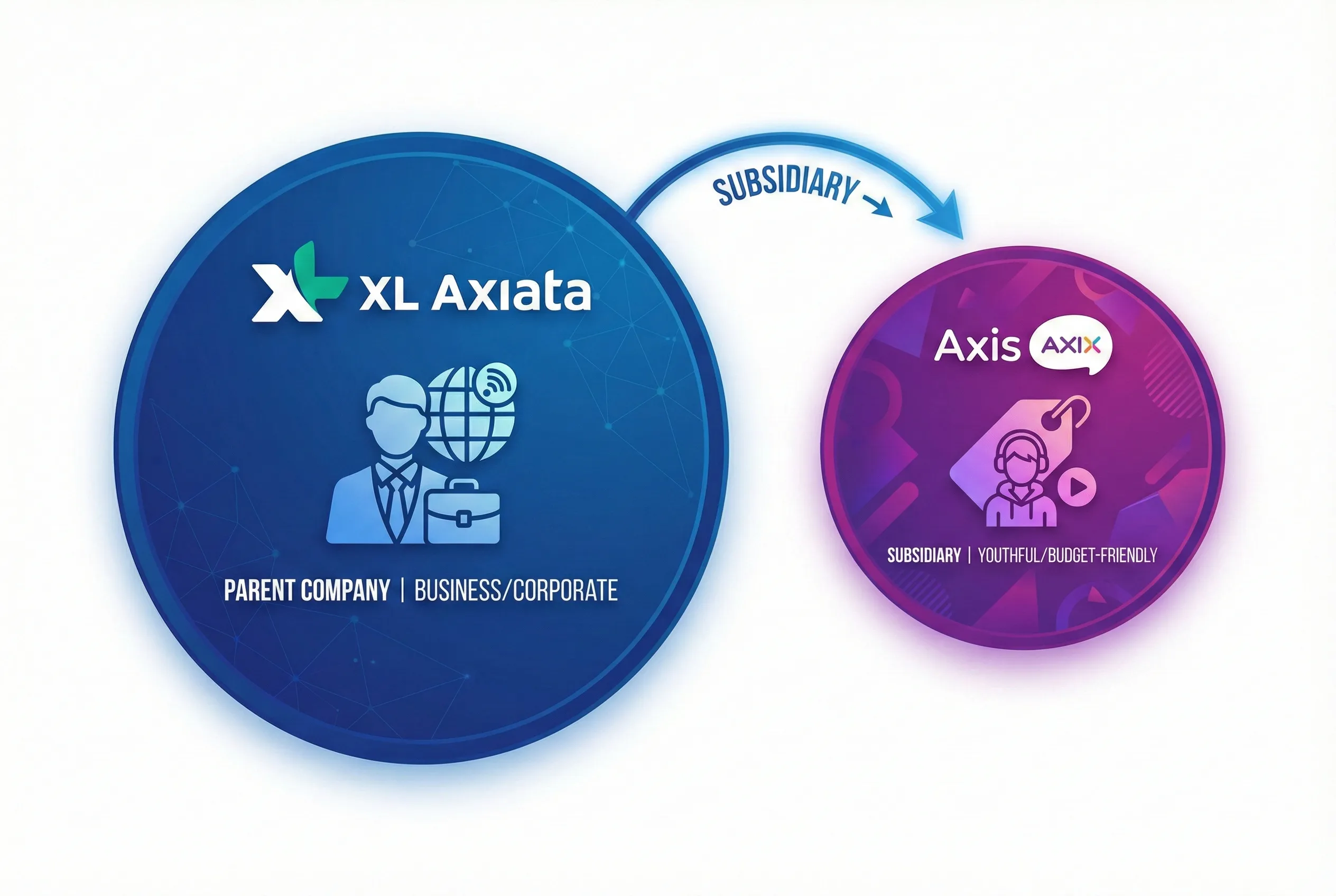
+62 831 is an Indonesian mobile number on the Axis network. Axis operates as a subsidiary of XL Axiata, one of Indonesia's major telecommunications providers. The 831 prefix identifies this specific carrier.
Received unexpected contact from a +62 831 number? This guide explains what you're dealing with and how to determine whether the communication is genuine or fraudulent.
What Does +62 831 Mean?
The number breaks down as follows:
+62 — Indonesia's international country code
831 — Axis mobile carrier prefix
Remaining digits — Individual subscriber number
Axis positions itself as a budget-friendly mobile option, popular among younger Indonesian users and those seeking affordable prepaid plans. The network operates on XL Axiata's infrastructure, providing 4G coverage across major Indonesian cities and islands.
Axis launched in 2008 and was acquired by XL Axiata in 2014. Today it functions as XL's budget brand, similar to how major carriers worldwide operate discount sub-brands.
The brand targets price-conscious consumers with competitive data packages and promotional pricing. This affordability, unfortunately, also makes Axis SIMs attractive to fraudulent operations.
Is +62 831 a Scam?
The 831 prefix itself is legitimate — millions of Indonesians use Axis for everyday communication. However, scammers exploit these numbers for several reasons:
Low barrier to entry: Axis prepaid SIMs are inexpensive and require minimal documentation to purchase.
Youth association: The brand's younger demographic sometimes makes 831 numbers appear more "casual" or trustworthy in messaging contexts.
Volume coverage: High user numbers mean scam operations blend into legitimate traffic.
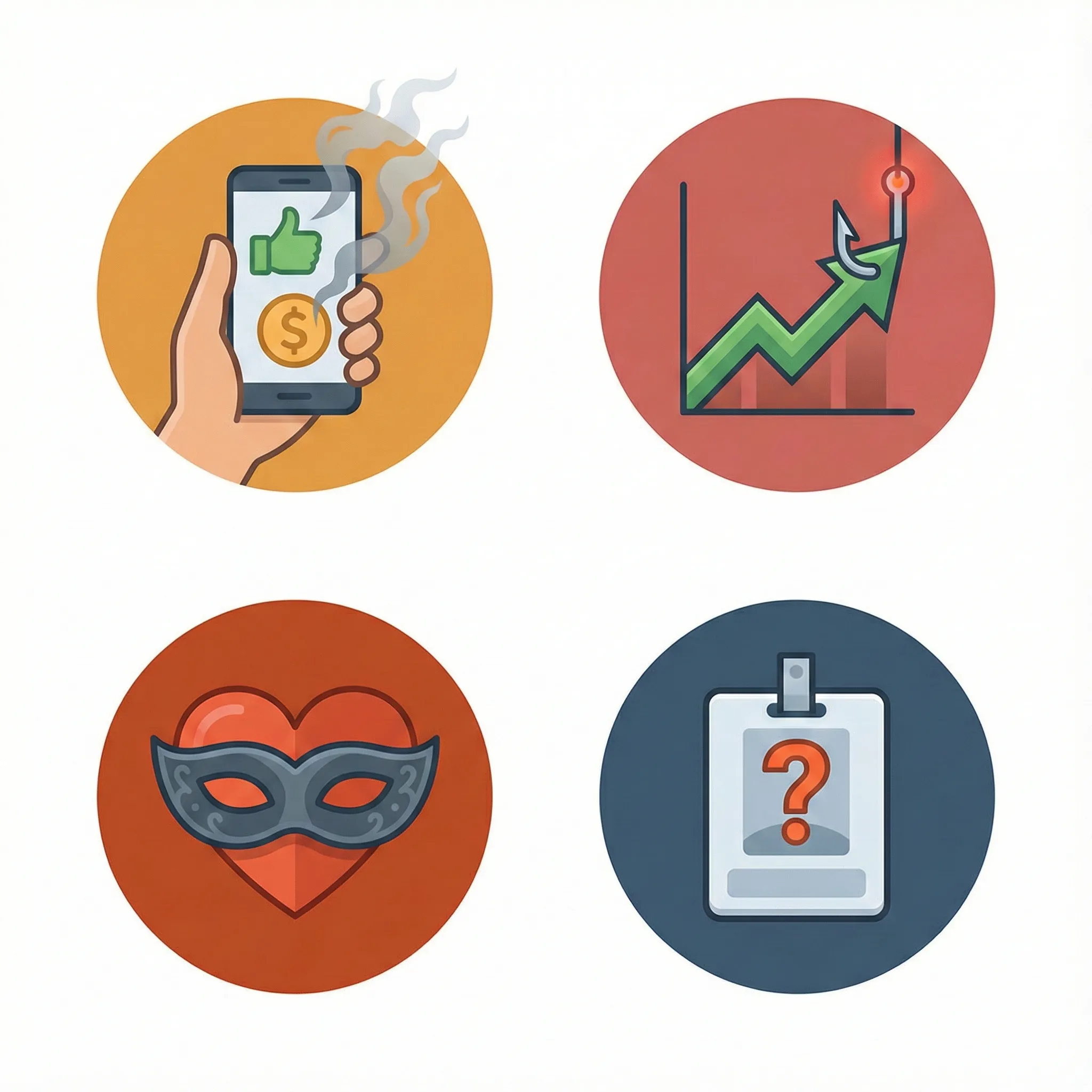
Common Scam Patterns From +62 831
Task/Job Scams:
Messages offering payment for simple online tasks — liking videos, rating apps, completing surveys. Initial small payments build trust before requests for "deposits" to access higher-paying work. These deposits vanish along with the scammer.
Investment Schemes:
Contacts promoting cryptocurrency trading groups, forex opportunities, or exclusive investment platforms. Fake profit screenshots and testimonials create false credibility before victims deposit funds they'll never recover.
Romance Approaches:
"Wrong number" messages that evolve into friendly conversation, gradually building emotional connection before financial requests emerge — usually for emergencies, travel, or joint "investments."
Impersonation:
Claims to represent banks, government agencies, or delivery services. These typically involve urgent requests for verification codes, personal details, or payment of supposed fees.
Warning Signs From +62 831 Numbers
Exercise caution if a +62 831 contact:
Initiates conversation without prior relationship
Offers unsolicited job opportunities or investment advice
Creates artificial urgency around decisions or payments
Requests personal information, banking details, or verification codes
Refuses to verify identity through video call
Sends links to unfamiliar websites or apps
Asks for payment via gift cards, cryptocurrency, or wire transfer
Uses poor grammar while claiming professional affiliation
When +62 831 Contact May Be Legitimate
Not every 831 message signals danger. Consider the contact genuine if:
You have existing connections to Indonesia (friends, family, business contacts)
The timing aligns with expected communication (travel bookings, online purchases)
The person references specific details only a real contact would know
They willingly verify identity through video call or alternative channels
You can independently confirm their claimed affiliation (business, organisation)
The number appears in legitimate online directories or business listings
All Axis Mobile Prefixes
The 831 prefix is one of several assigned to Axis:
Any Indonesian number beginning with +62 followed by 831, 832, 833, or 838 connects through the Axis network.
Step 1: Pause before responding
Scammers rely on quick, emotional reactions. Take time to assess the situation.
Step 2: Evaluate the profile
Check for realistic photos, bio information, and account history. Stock images, empty profiles, or brand-new accounts warrant suspicion.
Step 3: Search the number
Copy the complete number (including +62) into Google. Reported scam numbers frequently appear in fraud databases and complaint forums.
Step 4: Verify independently
If someone claims business or personal connections, confirm through channels you control — not links or contacts they provide.
Step 5: Block and report if suspicious
WhatsApp's reporting function helps identify and remove fraudulent accounts. Access it through the contact's profile menu.
Paste the full international number into search engines. Scam numbers accumulate reports across fraud awareness sites, forums, and social media complaints.
Reverse Lookup Services
Some services identify carrier information and flag reported numbers. Results vary by database coverage.
Video Call Request
Scammers avoid video calls because fabricated identities collapse under visual scrutiny. Willingness to video chat suggests genuine contact.
Independent Business Verification
For claimed business affiliations, locate official contact information through your own research — company websites, LinkedIn, official directories. Never trust contact details provided by the suspicious party.
Carrier Verification
The 831 prefix confirms the number uses Axis network infrastructure. While this verifies the carrier, it doesn't confirm the user's intentions.
Calling +62 831 Numbers From Abroad
Need to reach a legitimate +62 831 contact?
From the United States
plain text
011 + 62 + 831 + subscriber number
Example: 011-62-831-1234-5678
From the United Kingdom
plain text
00 + 62 + 831 + subscriber number
Example: 00-62-831-1234-5678
From Any Mobile
plain text
+ 62 + 831 + subscriber number
Example: +62-831-1234-5678
Traditional carrier rates for Indonesian mobile calls often reach $2-3 per minute or higher. For regular international calling, browser-based calling provides significant savings without app downloads or complicated setup.
+62 831 belongs to Axis, a budget mobile brand operated by XL Axiata. Axis functions as XL's prepaid subsidiary, targeting price-conscious Indonesian consumers with competitive data and calling packages.
Are all +62 831 numbers scams?
No. Millions of legitimate Indonesian users have Axis numbers with the 831 prefix. The prefix itself is completely genuine — scammers simply exploit these numbers alongside those from every other carrier. Verify unexpected contacts rather than assuming fraud.
Why do scammers use +62 831?
Axis prepaid SIMs are inexpensive and widely available. The budget brand's accessibility makes numbers easy to obtain for fraudulent operations. Additionally, virtual number services sell +62 831 numbers to users worldwide, allowing scammers to display Indonesian caller IDs regardless of actual location.
Can I block all 831 numbers?
Standard smartphones can't block entire prefixes — only individual numbers. Alternatives include enabling "silence unknown callers" to send unfamiliar international numbers directly to voicemail, or using third-party call-blocking apps with regional filtering capabilities.
How do I report a scam from +62 831?
On WhatsApp, open the chat, tap the contact name, and select "Report Contact." For phone scams, report to your carrier and national consumer protection agencies. In the US, file reports at reportfraud.ftc.gov. In the UK, contact Action Fraud.
Summary
+62 831 is an Indonesian mobile number on the Axis network, a budget brand operated by XL Axiata. The prefix is entirely legitimate, used by millions of Indonesian subscribers for everyday communication.
However, the same accessibility that makes Axis popular with budget-conscious consumers also attracts fraudulent operations. Scammers exploit 831 numbers for task scams, investment fraud, romance schemes, and impersonation attempts.
Protect yourself by:
Verifying unexpected contacts through independent channels
Searching numbers online before engaging
Never sharing personal or financial information with unverified contacts
Blocking and reporting obvious scam attempts
The carrier prefix reveals the network — not the caller's intentions. Verification determines legitimacy.