312 Area Code: Chicago's Original—Complete Location Guide (2026)
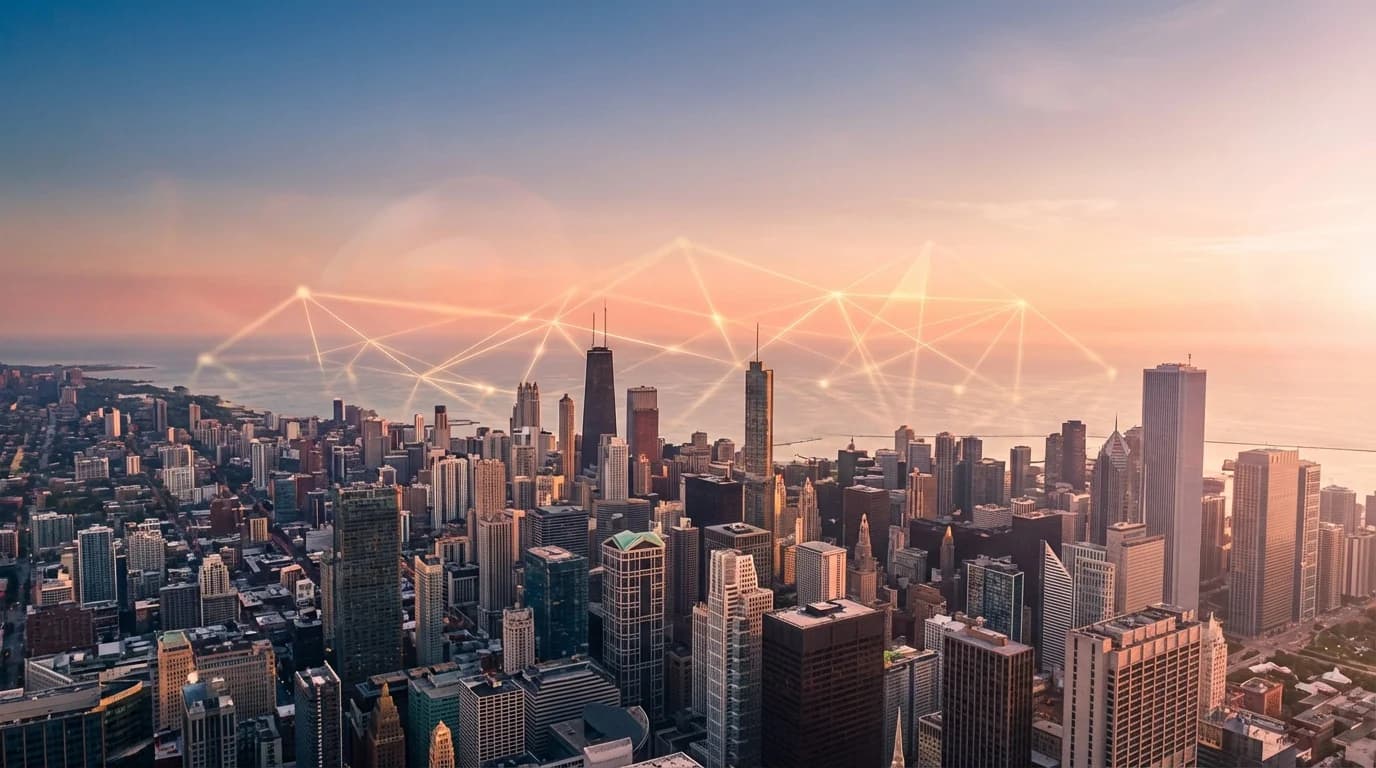
Table of Contents
- What Is the 312 Area Code?
- Where Is the 312 Area Code Located?
- Core Neighborhoods Served by 312
- Geographic Boundaries
- The History of Chicago's Area Codes
- 1947: The Beginning
- 1989: The First Split (708)
- 1996: The City Splits (773)
- 2009: The Overlay (872)
- Today: Four Area Codes, One City
- 312 Area Code Time Zone
- Is the 312 Area Code Legitimate? Scam Warnings
- Common 312 Scams to Watch For
- How to Protect Yourself
- When 312 Calls ARE Legitimate
- Should You Get a 312 Phone Number?
- Pros of a 312 Number
- Cons of a 312 Number
- How to Get a 312 Number
- Major Institutions with 312 Numbers
- Related Chicago Area Codes
- Frequently Asked Questions
- Is 312 a Chicago area code?
- What area code is 312 in the USA?
- Is 312 a scam area code?
- What's the difference between 312 and 773?
- Why does Chicago have so many area codes?
- Can I get a 312 phone number?
- What time zone is the 312 area code?
- Is it safe to answer calls from 312?
- How do I block 312 spam calls?
- What cities are in the 312 area code?
- Wrapping Up
What Is the 312 Area Code?
The 312 area code serves downtown Chicago, Illinois—specifically the central business district known as "The Loop" and surrounding neighborhoods. It's one of the original 86 area codes established in 1947 when AT&T created the North American Numbering Plan, making it a piece of telecommunications history.
Today, 312 is considered a prestigious area code in Chicago. Unlike suburban codes, having a 312 number signals that you're in the city's core—where the skyscrapers, major corporations, and cultural institutions call home.
If you're receiving calls from 312 numbers or considering getting one for your business, here's what you need to know about this iconic area code.
Where Is the 312 Area Code Located?
The 312 area code covers a compact but densely populated area in central Chicago. The boundaries have shifted over the decades due to splits and overlays, but the current coverage area includes:
Core Neighborhoods Served by 312
The Loop — Chicago's central business district, home to:
- Willis Tower (formerly Sears Tower)
- The Chicago Board of Trade
- Millennium Park and Cloud Gate ("The Bean")
- The Art Institute of Chicago
Near North Side — Including:
- River North (gallery district and restaurants)
- Streeterville (Northwestern Memorial Hospital area)
- Gold Coast (historic mansions and luxury high-rises)
- Old Town (comedy clubs and historic architecture)
Near South Side — Including:
- South Loop (Museum Campus, Soldier Field)
- Printer's Row (historic loft buildings)
- Chinatown (adjacent to the core 312 area)
Near West Side — Including:
- West Loop (restaurant row, Google's Chicago office)
- Greektown
- University of Illinois at Chicago campus
Geographic Boundaries
The 312 area code is roughly bounded by:
- North: North Avenue (1600 North)
- South: 35th Street (Bridgeport area)
- West: Western Avenue (2400 West)
- East: Lake Michigan
This represents approximately 25 square miles of the most densely developed urban area in the Midwest.
The History of Chicago's Area Codes
Understanding the 312 area code means understanding Chicago's explosive growth and the evolution of telephone technology.
1947: The Beginning
When AT&T established the North American Numbering Plan, Chicago received 312 as its sole area code. At the time, 312 covered the entire Chicago metropolitan area—city, suburbs, and beyond. The number was chosen because it was easy to dial on rotary phones (low numbers meant shorter dial times for high-traffic areas).
1989: The First Split (708)
By the late 1980s, Chicago had grown so much that the available phone numbers were running out. In 1989, the suburban areas split off to become the 708 area code. Chicago proper kept 312.
1996: The City Splits (773)
Even after losing the suburbs, the city itself ran out of numbers. In 1996, Chicago split again:
- 312 stayed with downtown and the central business district
- 773 took over the rest of the city (North Side, South Side, West Side neighborhoods)
This was controversial—many Chicagoans saw 312 as a status symbol, and some businesses paid premium prices to keep their 312 numbers.
2009: The Overlay (872)
Rather than splitting 312 and 773 again, Illinois introduced an overlay code. The 872 area code now covers the exact same geographic area as both 312 and 773. New phone numbers in Chicago might be assigned 312, 773, or 872.
Today: Four Area Codes, One City
Chicago now has four area codes:
- 312 — Downtown/central (original)
- 773 — City neighborhoods
- 872 — Overlay for entire city
- 708 — South and west suburbs (split from 312 in 1989)
Adjacent suburban codes include 630, 847, 224, and 815.
312 Area Code Time Zone
The 312 area code operates in the Central Time Zone (CT):
- Standard Time: UTC-6 (Central Standard Time/CST)
- Daylight Saving Time: UTC-5 (Central Daylight Time/CDT)
When planning calls to or from 312 numbers, keep these time differences in mind:
Chicago observes Daylight Saving Time, so the offset changes in spring and fall.
Is the 312 Area Code Legitimate? Scam Warnings
Here's the uncomfortable truth: scammers love using Chicago area codes like 312. The city's reputation as a major business hub makes 312 numbers seem trustworthy—which is exactly what fraudsters exploit.
Common 312 Scams to Watch For
Spoofed IRS/Government Calls Scammers claiming to be from the IRS, Social Security Administration, or FBI often spoof 312 numbers. They threaten arrest or legal action unless you pay immediately. Remember: the IRS never calls demanding immediate payment.
One-Ring Scams (Wangiri) You receive a call from a 312 number that rings once and hangs up. The goal is to make you curious enough to call back—where you might reach a premium-rate number that charges by the minute.
Tech Support Scams Callers claim to be from Microsoft, Apple, or your internet provider. They say they've detected a problem with your computer and need remote access. Legitimate tech companies don't make unsolicited calls.
Business Impersonation Scammers spoof numbers of real Chicago businesses to request payments, gift cards, or personal information. Always verify by calling the company directly using a number from their official website.
Package Delivery Scams Fake "FedEx" or "UPS" calls claiming a package is stuck and needs payment or address verification. These have increased dramatically since 2020.
How to Protect Yourself
- Let unknown calls go to voicemail — Legitimate callers leave messages
- Don't trust caller ID — Numbers can be spoofed to display anything
- Never give personal information to incoming callers—call back using an official number
- Use a reverse phone lookup to research unfamiliar 312 numbers
- Report scam calls to the FTC at reportfraud.ftc.gov
When 312 Calls ARE Legitimate
Of course, most 312 calls are perfectly legitimate. Expect real calls from:
- Chicago-based businesses and employers
- Downtown hospitals and medical offices
- Law firms and financial institutions
- Universities (DePaul, Loyola Chicago, UIC)
- Government offices (City of Chicago, Cook County)
The key is verifying the caller's identity before sharing information or making payments.
Should You Get a 312 Phone Number?
If you're starting a business in Chicago or want a local presence, here's what to consider:
Pros of a 312 Number
- Prestige: 312 is associated with established, downtown businesses
- Local trust: Chicago residents recognize 312 as legitimately local
- Limited availability: Scarcity makes 312 numbers more memorable
- Professional image: Signals you're in the business core
Cons of a 312 Number
- Limited availability: New 312 numbers are harder to obtain
- Spam filtering: Some people screen calls from business districts
- No functional difference: 872 overlay numbers work identically
How to Get a 312 Number
- Major carriers: Request specifically when setting up service—not guaranteed
- VoIP providers: Services like Google Voice, Grasshopper, or OpenPhone sometimes have 312 numbers available
- Number porting: Buy an existing 312 number from a business selling theirs
Major Institutions with 312 Numbers
Downtown Chicago hosts headquarters and major offices for countless organizations:
Corporations:
- Boeing (global headquarters)
- United Airlines (headquarters)
- McDonald's (headquarters)
- Kraft Heinz
- Exelon
- Allstate
Healthcare:
- Northwestern Memorial Hospital
- Rush University Medical Center
- Advocate Illinois Masonic Medical Center
Education:
- DePaul University (Loop campus)
- Loyola University Chicago (Water Tower campus)
- School of the Art Institute of Chicago
- Columbia College Chicago
Government:
- City of Chicago offices
- Cook County government
- Federal building and courts
Related Chicago Area Codes
Understanding the Chicago-area code landscape helps you identify where callers are located:
Frequently Asked Questions
Is 312 a Chicago area code?
Yes, 312 is the original Chicago area code, established in 1947. Today it specifically serves downtown Chicago and the central business district, including The Loop, River North, and the Near North Side.
What area code is 312 in the USA?
The 312 area code is located in Chicago, Illinois. It covers the downtown/central area of the city, while 773 and 872 serve the broader city limits.
Is 312 a scam area code?
No, 312 is a legitimate Chicago area code. However, scammers frequently spoof 312 numbers because Chicago is a major business hub and the numbers appear trustworthy. Always verify callers independently before sharing personal information.
What's the difference between 312 and 773?
Both are Chicago area codes. 312 covers downtown and the central business district, while 773 covers the rest of the city's neighborhoods (North Side, South Side, West Side). They were split in 1996.
Why does Chicago have so many area codes?
Population growth and the explosion of cell phones, fax machines, and internet connections exhausted available numbers. Chicago has split and overlayed area codes multiple times since 1989 to accommodate demand.
Can I get a 312 phone number?
Yes, but availability is limited. Contact your carrier and request a 312 number specifically, or check VoIP providers. 312 numbers are in higher demand due to their downtown prestige.
What time zone is the 312 area code?
The 312 area code is in the Central Time Zone (CT). That's UTC-6 during standard time and UTC-5 during daylight saving time.
Is it safe to answer calls from 312?
As safe as any other area code. Legitimate businesses, hospitals, and government offices use 312 numbers. However, scammers also spoof these numbers, so never share personal or financial information with unexpected callers.
How do I block 312 spam calls?
Use your phone's built-in call blocking features, register at DoNotCall.gov, or use third-party apps like Nomorobo, Hiya, or Truecaller. You can also report spam calls to the FTC.
What cities are in the 312 area code?
Only Chicago—specifically the downtown and central neighborhoods. Unlike suburban area codes that cover multiple cities, 312 is limited to Chicago's urban core.
Wrapping Up
The 312 area code represents more than just phone numbers—it's a direct connection to the heart of Chicago. From the Willis Tower to Millennium Park, from world-class hospitals to Fortune 500 headquarters, 312 is where Chicago does business.
Key takeaways:
- 312 covers downtown Chicago (The Loop and surrounding neighborhoods)
- It's one of the original 1947 area codes—a piece of telecom history
- Scammers spoof 312 numbers, so always verify unknown callers
- Chicago now uses four area codes: 312, 773, 872, and 708
Whether you're receiving calls from 312 or considering getting a Chicago number yourself, understanding this iconic area code helps you navigate both legitimate business and potential scams.
Last updated: January 2026